
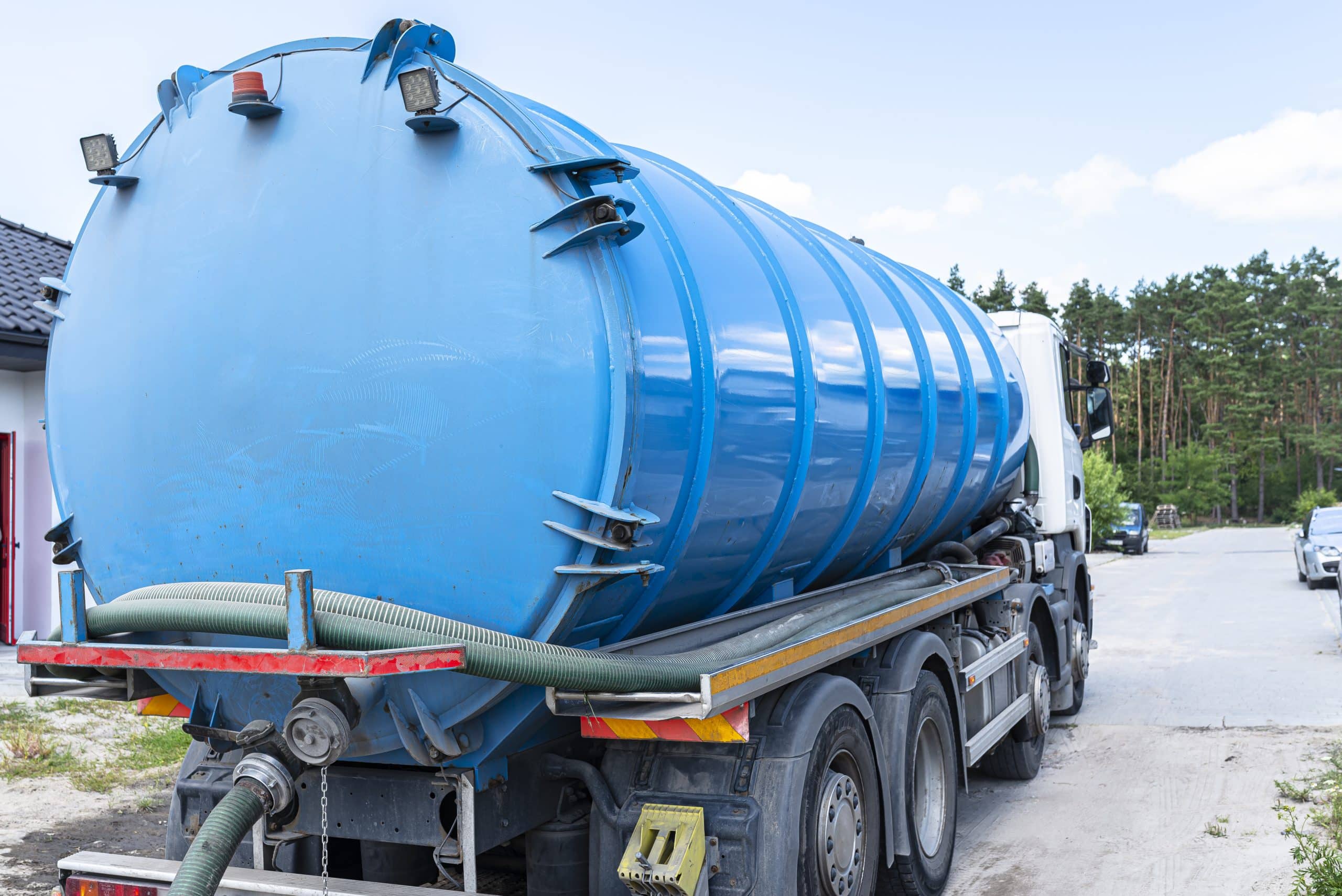
Gardner sits along I-35 in southwest Johnson County, with newer subdivisions close to town and farm ground just beyond them. Most homes inside city limits are on the City of Gardner's sewer system. Septic pumping in Gardner, KS is about the properties past that line: older farmsteads, acreage homes, and rural parcels on the county roads around town, where a private septic system still handles everything that goes down the drain.
Wheatland Plumbing and Septic is a family-owned Kansas company serving Northeast Kansas since 2010, and we hold a Johnson County (JCDHE) disposal contractor license. We pump residential and commercial septic tanks, perform septic inspections and resale pump-outs, handle lateral field repair, and complete full septic tank replacement and installations when an old system is done. You get a straight answer about what we found and what it actually needs.
Call (913) 833-2304 or schedule service online in the Gardner area.
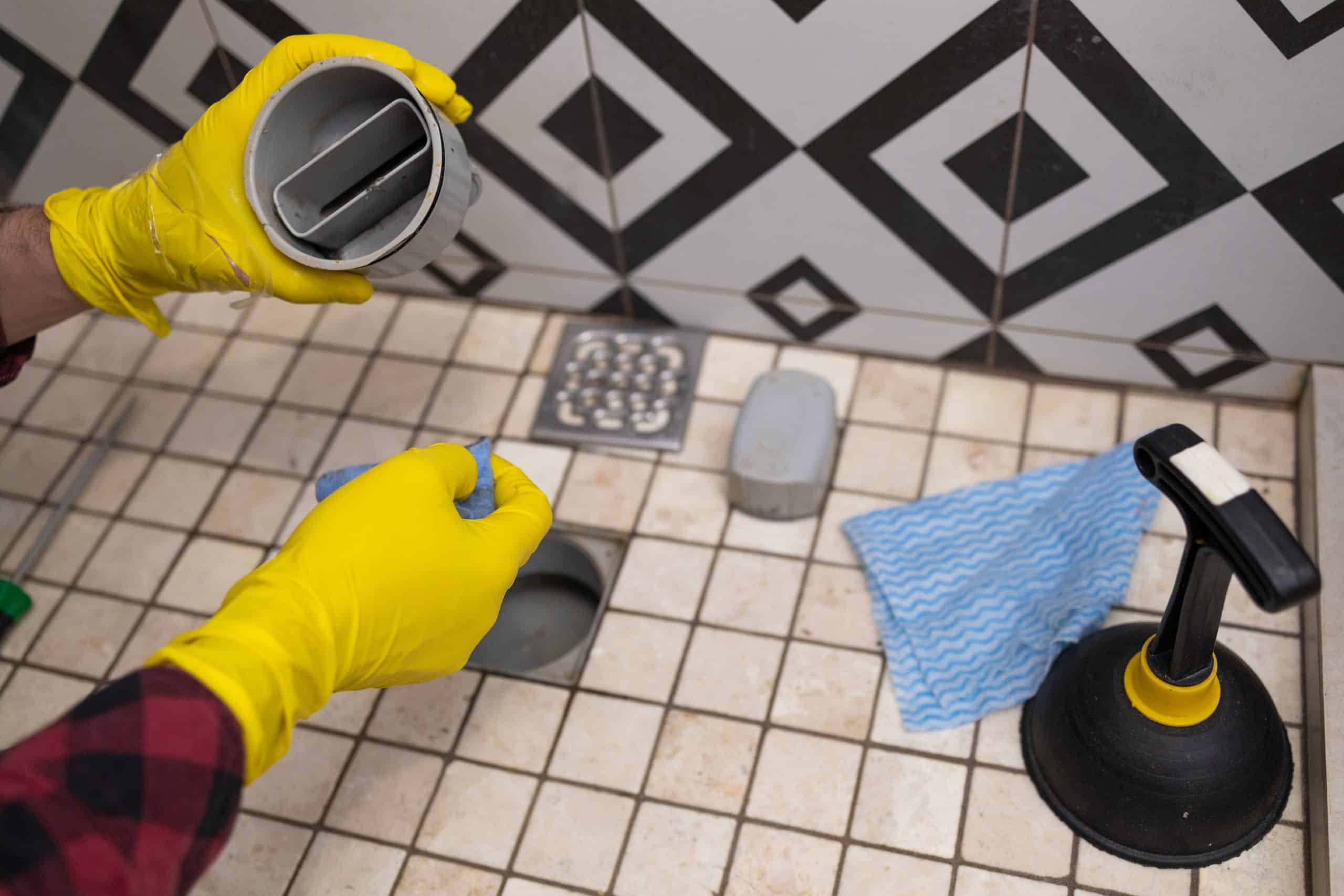
How often a tank needs pumping depends on the tank and the people using it. KDHE says frequency is driven by tank size, household size, water use, and how much solid material goes in, and that a garbage disposal can cut the interval by about a third. We use what is in the tank and your pumping history to set the next date, not a one-size calendar.
We pump through the main access so the whole compartment gets cleaned, sludge and scum included. Johnson County designs typically call for a two-compartment tank, so if yours has two lids, a pump chamber, or an effluent filter, let us know when you call. While the tank is open, we will tell you about anything visible that is worth watching, like worn baffles, roots, or cracked lids.
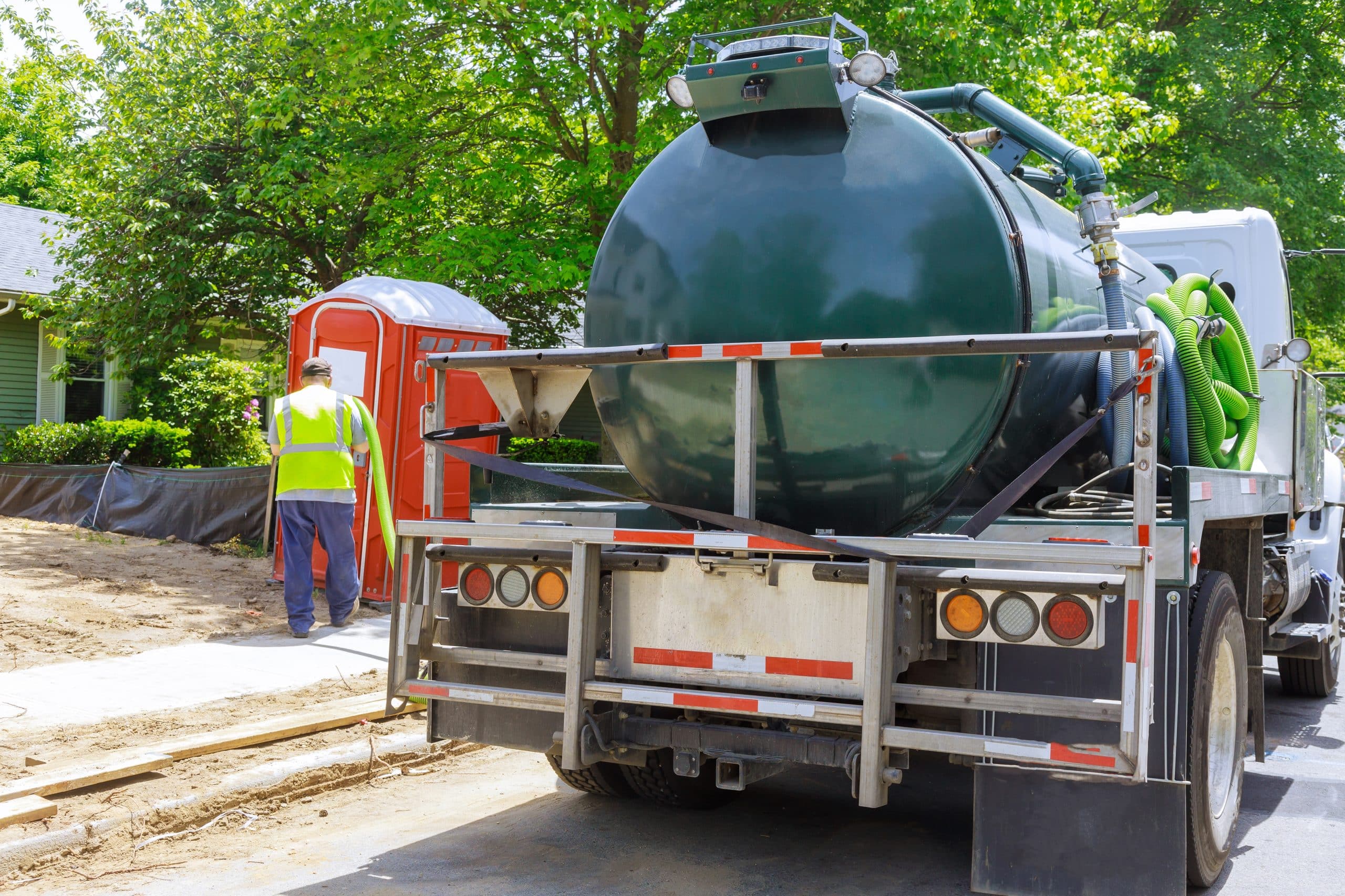
Outside the city sewer area, plenty of non-residential properties run on septic too: shops, churches, rural event spaces, rentals, and farm buildings. Use on those systems can swing hard from week to week. We will help you set a pumping schedule around how the property is actually used, the tank size, and what it would cost you if the system went down.
Septic is our focus out here, but we are a full-service plumbing company, so one call covers most of what a rural property needs.
Residential, farm, and commercial two-compartment and single-compartment tank pumping through the main access lid.
Permitted replacement septic tanks, risers, and complete new onsite septic system installations across rural Johnson County.
Diagnosing and repairing soggy leach fields, distribution boxes, header pipes, and absorption trenches.
Open-tank septic inspections and JCDHE-licensed pump-outs for rural Johnson County home sales.
Clearing clogged or slow drains inside the house, and lines between the house and the septic tank.
Repairing damaged sewer lines without trenching the whole yard using our Perma-Liner system, where the line and site allow it.
Standard tank and tankless water heater repair and replacement.
Full-service plumbing for new homes and rural builds, from underground rough-in through final fixture trim-out.
Kitchen and bathroom remodel plumbing handled cleanly by our in-house crew.
Hydronic radiant floor heating systems installed under slabs, shops, and additions.
Johnson County has its own septic rules, and Gardner sits right at the line where they change.
The Johnson County Department of Health and Environment (JCDHE) runs the county's septic program under the Johnson County Environmental Sanitary Code. JCDHE says the code covers all of Johnson County except De Soto, Gardner, and Edgerton. So a rural home just outside Gardner falls under county rules, while a property inside the city follows the city's. Check which side of the line your property is on before you plan any septic work.
For properties under the county code, JCDHE requires a resale inspection when a home on a private septic system is sold. The buyer has to apply for a System Use Permit within 60 days of purchase, and the tank has to be pumped by a JCDHE-licensed disposal contractor so the inspector can check it. Wheatland Plumbing and Septic is licensed by JCDHE to pump tanks for resale inspections and coordinates septic inspections for buyers, sellers, and agents around Gardner.
Before JCDHE permits a septic tank replacement or new system installation, an Environmental Health Specialist analyzes the soil on the lot to a depth of five feet, looking at texture, structure, and the depth to groundwater, seasonal water table, or bedrock. The design also has to set aside a replacement area of at least 5,000 square feet for future lateral field repair or expansion. That is why lot layout matters so much when a new home goes up on acreage near Gardner.
The City of Gardner draws its drinking water from Hillsdale Lake and treats it at the Hillsdale Water Treatment Plant, according to the city's water quality report. Rural homes outside the city may be on a rural water district or private well, which affects how a septic system is laid out on the lot.
These are the parts of the Gardner area where private systems are common. Not every home here has a tank. Confirm the individual property.
Gardner Lake, northeast of town, used to be septic country. The Gardner Lake Sewer Project was finished in September 2017, and many lake homes now connect to Johnson County Wastewater's low-pressure sewer instead. If you are on the lake, do not assume either way. Check your bill or call Johnson County Wastewater to confirm your property's setup.
Gardner Junction Park, at US-56 and 183rd Street, marks where the Oregon and California Trails split from the Santa Fe Trail. Head west and south from there and the city grid quickly gives way to farm ground and acreage homes, which is where private septic systems are more common.
The 1869 limestone Lanesfield School, a Johnson County historic site, sits in the open country between Gardner and Edgerton. Properties out this way are spread out, with long drives and outbuildings, so knowing where the tank and lateral field are before the truck pulls in protects the field.
Between Gardner and Olathe, New Century AirCenter and its business park mark the northeast side of town. The rural parcels and older homes around it can be on either sewer or septic. Sewer availability can change from one road to the next, so verify the parcel.
If sewage is backing up, cut back on water use and call for service. Never climb into a septic tank. The gases inside can kill within minutes.

We serve Gardner and the surrounding area, including the Gardner Lake area, the country toward Edgerton, and rural southwest Johnson County. We also cover Olathe, Baldwin City, De Soto, and Eudora. Coverage depends on the address, road access, and the job, so if you are near the edge, ask. We would rather check than have you assume we cannot help.
Tell us the property address, what the system is doing, when it was last pumped, and anything unusual about access. We will tell you plainly what we think it needs. Call (913) 833-2304 or send us a note.

It depends on tank size, household size, water use, and the solids going in, according to KDHE. A garbage disposal can shorten the interval by about a third. Measuring sludge and scum in the tank and looking at past pumping dates is the most reliable way to set the next one.
Most homes inside Gardner city limits are on the city's sewer system. Rural properties outside the city usually have a private septic system, and many Gardner Lake homes switched to Johnson County Wastewater's low-pressure sewer after the 2017 sewer project. Check your utility bill, seller disclosures, or county records to confirm.
Yes, for homes under the Johnson County Environmental Sanitary Code. JCDHE requires a resale inspection, and the buyer must apply for a System Use Permit within 60 days of purchase. JCDHE says the code covers all of Johnson County except De Soto, Gardner, and Edgerton, so a rural home outside Gardner city limits follows the county resale rules.
JCDHE requires the tank to be pumped by a disposal contractor that holds a current JCDHE license, and the pump truck needs to arrive on time for the scheduled inspection. Wheatland Plumbing and Septic holds a JCDHE disposal contractor license and performs resale pump-outs and septic inspections across rural Johnson County.
JCDHE starts with a soil profile analysis, examining the soil to five feet deep for texture, structure, and the depth to groundwater, seasonal water table, or bedrock. The system design then has to be prepared by a JCDHE-licensed installer or designer or a licensed engineer, and include a replacement area of at least 5,000 square feet.
JCDHE estimates about 9,000 private sewage treatment systems in Johnson County. Its residential program permits private systems where a property is not served by a public wastewater collection system, which is common on rural parcels outside city sewer.
No. KDHE advises against septic additives. A septic tank is built to hold solids back so they do not clog the lateral field, and pumping is the only way to remove them.
Tank size, how full it is, travel, disposal, whether the lid has to be found or dug up, hose distance, and access all play into the price. We quote based on your actual property.
Keep wipes (even "flushable" ones), feminine products, diapers, dental floss, cat litter, grease, paint, solvents, pesticides, and medications out. Fixing leaks and spreading out laundry loads helps the tank and field too.
Wheatland covers Northeast Kansas and the KC metro. Find your area below.


